
HYDROGEN STORAGE · MOROCCO
Hydrogen Storage OCP Morocco
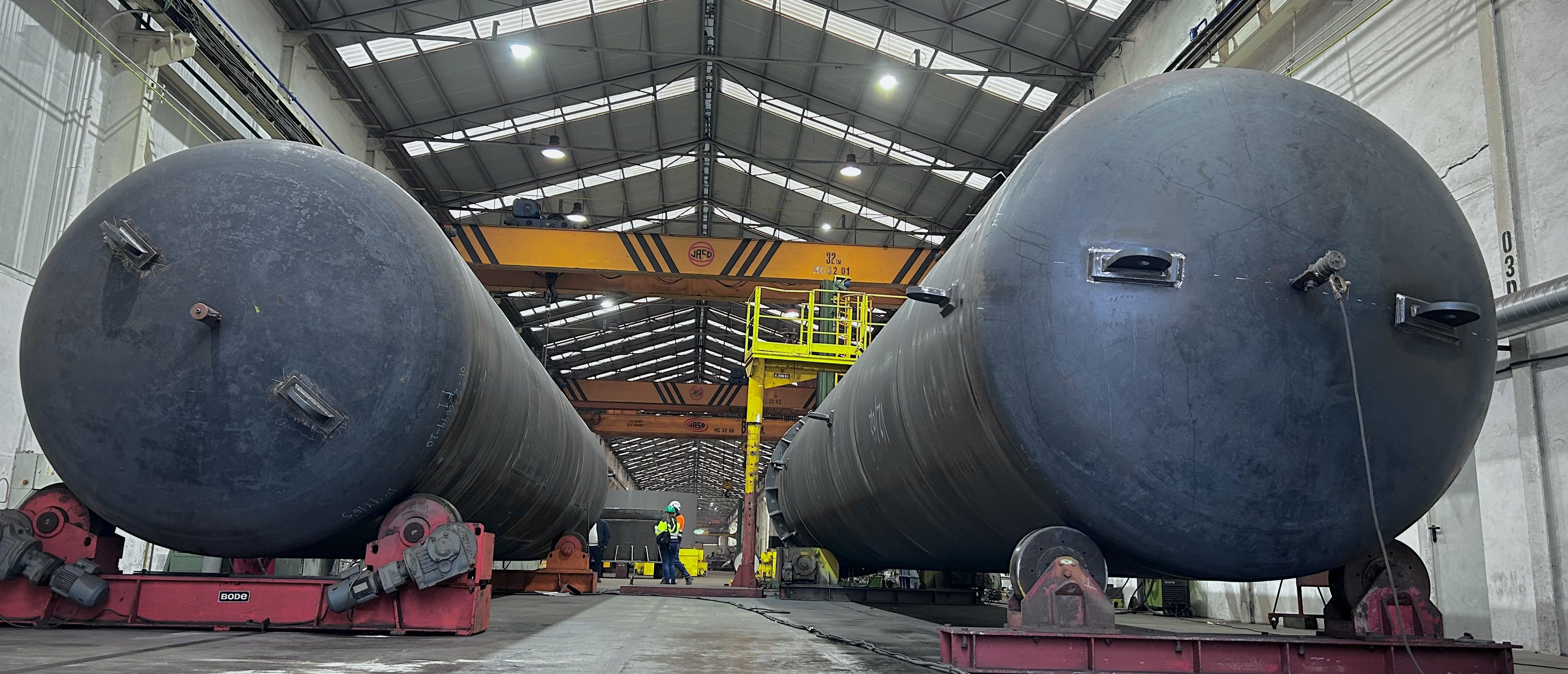
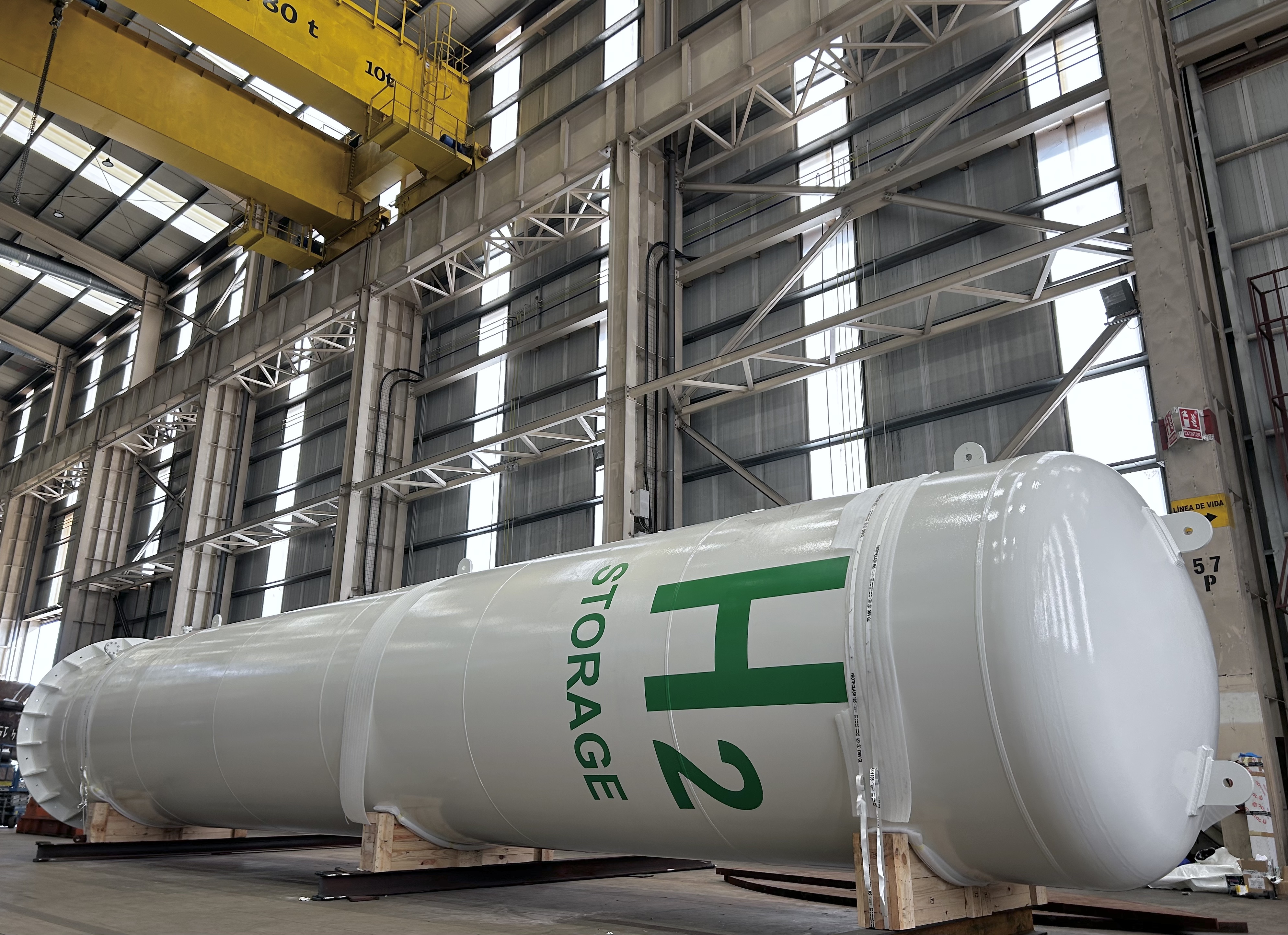
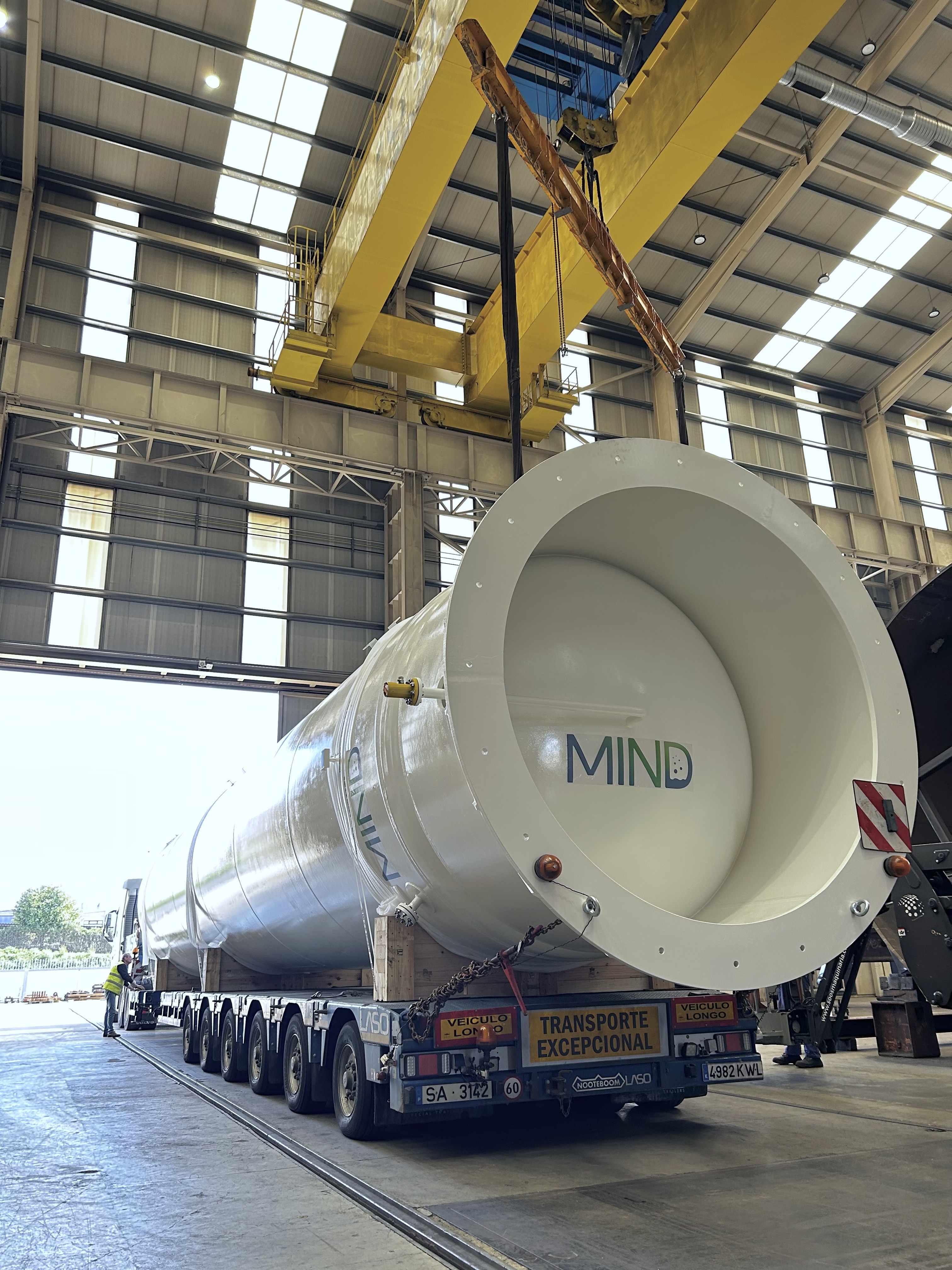
Two hydrogen storage vessels delivered by MIND for the global leader fertilizer OCP hydrogen and green ammonia project in Jorf Lasfar, Morocco.
EQUIPMENT SUPPLIED
2 Hydrogen Storage Vessels
VOLUME PER VESSEL
110 m³
DESIGN CODE
EN 13445:2021
Supporting hydrogen and green ammonia
The vessels form part of OCP’s hydrogen and green ammonia initiative at the Jorf Lasfar industrial complex, aimed at supporting sustainable fertiliser production. MIND’s hydrogen storage supply followed its earlier delivery of ammonia vessels for the project.
Manufacturing for hydrogen service
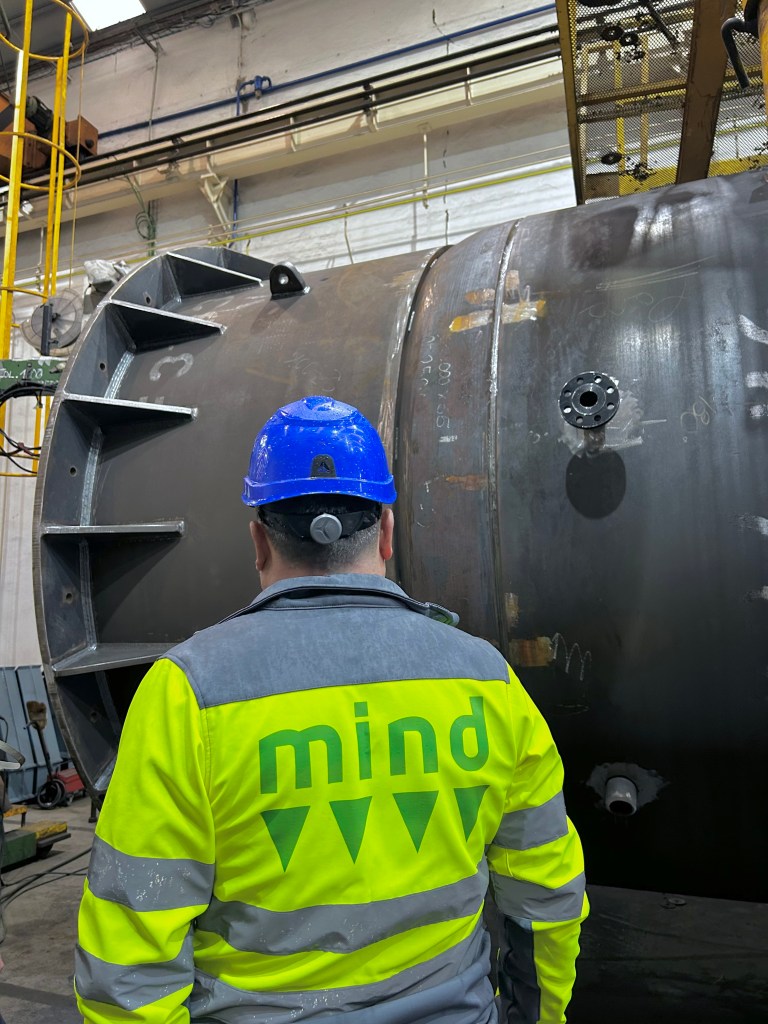
The carbon steel vessels combined project-specific material testing for resistance to hydrogen-induced cracking (HIC) with mandatory post-weld heat treatment (PWHT). The mechanical design also addressed nozzle loads, support arrangements and the local wind and seismic requirements.
Design coordination involved Mohammed VI Polytechnic University and the notified body LRQA
Technical characteristics
Design and operating data
Fluid: gaseous hydrogen (H₂)
Design pressure: −1 / 35 bar(g)
Design temperature: 0 to +80 °C
Volume: 110.000 L per vessel
Empty weight: 42000 kg per vessel
Code and conformity
Design code: EN 13445:2021
Pressure Equipment Directive: 2014/68/EU
Specified joint efficiency: 1.0
Corrosion allowance: 3 mm
Notified body: LRQA
Materials, welding and heat treatment
Material verification and welding
The project specified individual material testing for resistance to HIC. Welding procedure qualifications were specified to EN ISO 15614-1, with welder qualifications to EN ISO 9606-1. Inspection followed the project’s manufacturing and inspection plan.
Heat treatment requirements
PWHT formed part of the specified manufacturing scope as a stress-relief treatment. The technical documentation also specifies post-forming heat treatment for the vessel heads in accordance with the applicable EN 13445-4 requirements.
Pressure testing and preservation
The technical specification lists a test pressure of 51 bar(g), with testing in the horizontal position using nitrogen or dry air. Internal drying and charging with nitrogen were specified for preservation. Internal and external surface preparation followed the project’s specified S1 treatment system similar to a C5 chemical treatment
Designed for the Jorf Lasfar site
Site requirements included wind loading to NV65, zone 3, with a basic wind speed of 44 m/s, and seismic requirements to RPS 2000, A2, ZV2. These conditions formed part of the project requirements for the vessel supports and mechanical design.
Project gallery
Contact MIND to discuss pressure vessels and custom process equipment for your next hydrogen or ammonia project.

